How they differ
Acrylic is a powder and liquid monomer that hardens in air. It is rigid and very strong, which makes it the traditional choice for long, dramatic shapes such as stiletto or extra-long coffin.
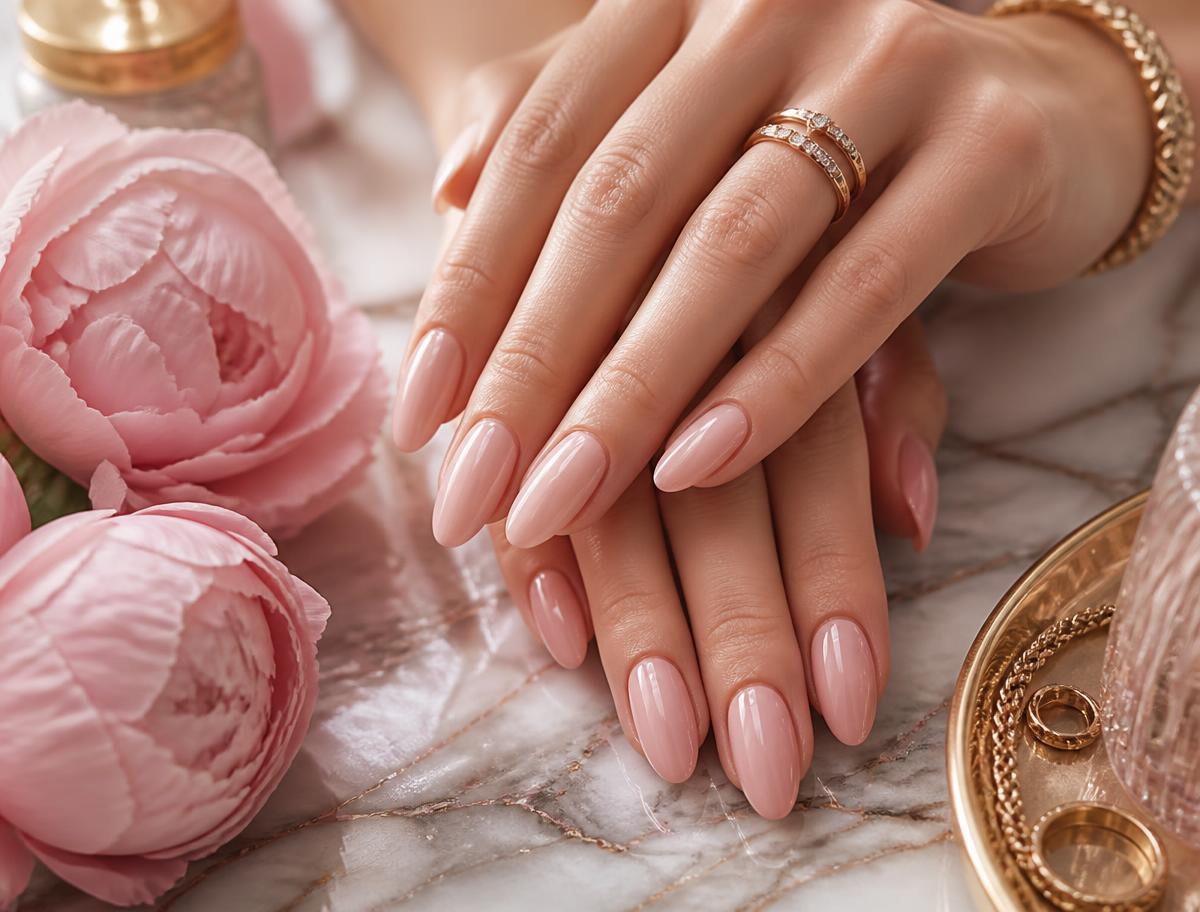
Hard gel is cured under a lamp and stays slightly flexible. That flex means it moves with the natural nail instead of resisting it, so it generally feels lighter and looks more natural, particularly on shorter to medium lengths.
Which suits which client
Manual jobs, heavy typing and long lengths favour acrylic's rigidity. Thin, damaged or previously over-filed nails usually do better with gel, or with a BIAB overlay instead of extensions altogether.
- Want maximum length and durability → acrylic
- Want a natural, lighter feel and high-shine finish → hard gel
- Nails recovering from damage → BIAB overlay, no extension
- Sensitive to strong odours → gel has virtually no smell
Maintenance and removal
Both systems need infills roughly every three weeks. Acrylic is removed with acetone soaking; hard gel is filed back in controlled layers. Whichever you choose, removal should happen in the salon — home removal is where the vast majority of nail damage occurs.
Budget for maintenance, not just the first appointment. An extension set that is never infilled will lift, catch and eventually take the surface of the natural nail with it.
Book this treatment
Everything in this guide is available at our salon in 32 Deans South, Livingston EH54 8DP. See the nails treatment menu or read client reviews.